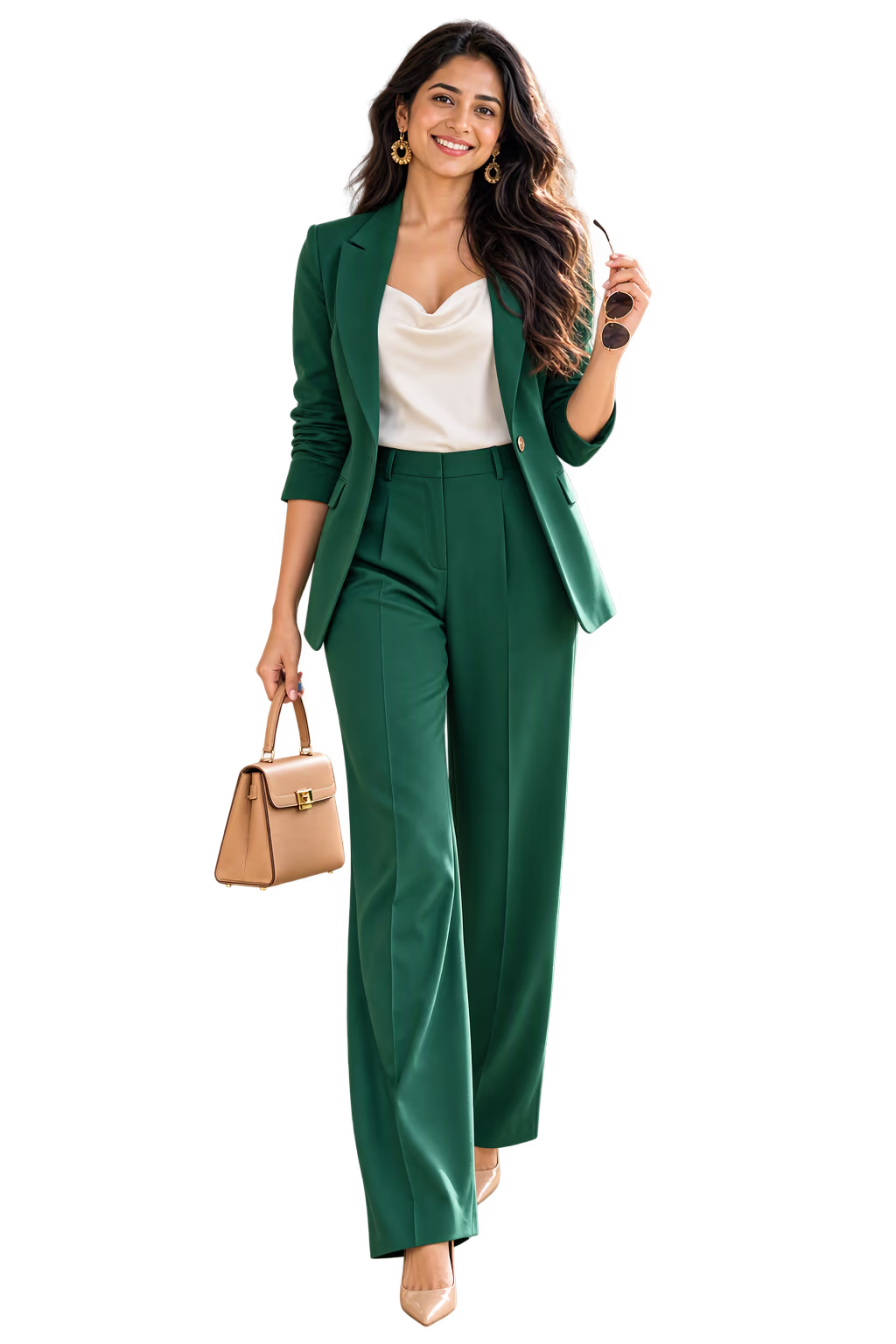


Start with that outfit, in clothes you already own, and plan to leave your shoes at the gate. Then check your temple, because the strict ones do not agree with each other. At the Golden Temple you must cover your head. At Tirumala you may not wear a cap, hat or turban inside.
What eight famous temples ask for
| Temple | Men | Women |
|---|---|---|
| Tirumala, Tirupati | Dhoti or pyjama, with upper cloth | Saree, half-saree, or churidar with upper cloth |
| Guruvayur | Plain white or cream dhoti, no shirt | Saree, skirt and blouse, or churidar |
| Padmanabhaswamy | Dhoti to the heels, no shirt | Saree, set-mundu, skirt and blouse, or half-saree |
| Mahakaleshwar, Bhasma Aarti | A dhoti, to be safe | A saree, to be safe |
| Jagannath, Puri | No half pants, shorts, torn jeans, skirts or sleeveless dresses | The same. A saree or salwar suit is safest |
| Siddhivinayak, Mumbai | Covers the body. No torn pants | The same, no short skirts |
| Kashi Vishwanath | No code, only "decent clothes" | The same |
| Golden Temple | Head covered with cloth, no short clothes | The same |
Some words from the table: a dhoti is a long cloth tied around the waist. A set-mundu is Kerala's two-piece cloth for women. A half-saree is a long skirt and blouse with a cloth over one shoulder. A churidar is a long top with fitted pants. An upper cloth is a cloth worn over the shoulders.
We have fuller pages for two of these: the Golden Temple in winter and Varanasi in winter.
One outfit for most temples
- Men: a plain kurta (a long shirt), cotton pyjama or other loose full-length pants, and sandals you can slip off. Add a small cotton cloth over one shoulder.
- Women: a salwar suit (a long top with loose pants) with a dupatta (a long scarf), or a saree with a sleeved blouse, and sandals you can slip off.
- In your bag: a dupatta or scarf, and in winter a pair of warm socks to put on after the bare floor.
On a winter trip, add a shawl or sweater: our page on staying warm in a kurta or saree shows what goes under and over. Going to a wedding at a temple? Wedding guest outfits in India goes event by event.
Not sure what in your closet fits? With ten items in your closet, Ukti's outfit generator builds outfits from your own clothes. You can describe the day in your own words, such as "temple in the morning, shoulders and knees covered". Check its pick against the table above, because the rule at the gate is what counts.
The strict temples, one by one
Tirumala (Tirupati)
The temple board, TTD, says: "For men the dress code is dhoti or pyjamas with upper cloth." It does not say what counts as an upper cloth, so a kurta with a small cloth over one shoulder is the safe reading. Jeans and T-shirts are not on its list. A 2013 report quoted an official allowing a shirt and pants, and said people in the wrong clothes are told to change before the queue area. TTD's page today says neither, so change before you get there.
Guruvayur (Kerala)
Kerala Tourism says: "Plain white or cream dhoti is permissible." Men may not wear shirts, vests, pyjamas, pants, jeans or a lungi, which it describes as a printed dhoti, so bring a plain one.
Padmanabhaswamy (Thiruvananthapuram)
A churidar is not on Kerala Tourism's list for women. If you arrive in pants or a churidar, there is a way in: "Dhotis are available on rent at the temple entrance", and the temple now allows a dhoti worn over them.
Mahakaleshwar (Ujjain)
Ordinary visitors are reported to be kept out of the sanctum, the inner room. In October 2024 the Collector, who chairs the temple committee, said "Nobody is allowed to enter the garbha griha". In January 2026 LiveLaw reported that VIPs can enter with permission and that the High Court found no written ban, so this could change. A private guide updated in October 2026 still says general devotees cannot enter.
For normal darshan (seeing the deity), Outlook Traveller says to dress modestly and suggests traditional Indian clothes or a scarf. For Bhasma Aarti, the ceremony before dawn, guides disagree on the details. Ujjain Darshan, a private travel site, allows a kurta and a salwar suit on one page, and on another says men wear no upper garment and women a saree, with a veil or dupatta over the face during the ash offering. A dhoti or a saree is the safe choice. Check the rule when you book.
Two rules that are not settled
The Jagannath Temple in Puri. Reports in January 2024 called the dress code mandatory, asking for "decent clothes" and banning the items in the table for all devotees. Swarajya wrote in April 2026 that the temple's Act and rules "do not allow such norms to be enforced", and Kalinga TV called the 2024 code voluntary. The state Law Commission has proposed a written code. Swarajya says it would put women over 10 in a saree or salwar kameez, and that "entry should be denied to women dressed in shirts and jeans, or pants and shirts". The government was still considering it, and we found nothing newer.
What happens at the gate may vary, so dress for the stricter version: a saree or salwar suit for women, and a dhoti and kurta or a plain shirt and full-length pants for men. The temple's own do's and don'ts page also says no footwear and no leather items, so leave your leather belt and wallet at the hotel.
Temples in Tamil Nadu. A Madras High Court order of November 2015 set clothes for every temple in the state. In January 2016, two judges of the same court stayed it (put it on hold). The state's temple department told the court in 2016 that temples follow their own customs: at Tiruchendur, men should not wear an upper cloth inside. An order of the same court in December 2022 mentions a "decent dress code" at Tiruchendur and tells the department to comply "in all the temples of Tamil Nadu". LiveLaw's report of that order covers only phones, so how far it reaches on clothes is not clear. Read the board at the gate.
If you arrive in the wrong clothes
Do not count on being let in. We read of cloth for rent only at Padmanabhaswamy, where Travel India Smart says stalls near the entrance also sell it. A dhoti or a long scarf takes little room in a bag, so carry one. A temple with no rule last year may have one now.
Who can go inside
Some temples admit only Hindus, or ask others to sign first. If you are not Hindu, check this before you plan the day.
- Guruvayur: a sign outside the temple, quoted by Organiser in April 2026, says "Entry of non-Hindus in the temple is strictly prohibited".
- Padmanabhaswamy: Travel India Smart says "Entry is for Hindus only", though anyone can see the outside.
- Jagannath, Puri: Madhyamam reported in March 2024 that "only Hindus are permitted to enter the shrine".
- Tirumala: The Week reported in October 2024 that a non-Hindu who wants darshan must submit "a signed affidavit", a statement of faith in the deity.
- Tamil Nadu: in January 2024 the Madras High Court's Madurai Bench ordered boards saying "non-Hindus are not allowed inside temple after Kodimaram" (the flagpole), with entry after a signed undertaking. In an order of 23 October 2026, two judges of the same bench kept the flagpole rule for Agamic temples, those that follow the old ritual texts. They added that non-Hindus who wear symbols of other faiths and do not declare reverence for the deity may not enter even the premises. One report says it is not clear whether someone who keeps wearing such symbols may enter after signing.
Sources, read on 1 November 2026. Tirumala: TTD's dress code and do's and don'ts, Hindupad, May 2013, The Week, October 2024. Guruvayur: Kerala Tourism (no date shown), Organiser, April 2026. Padmanabhaswamy: Kerala Tourism (no date shown), Travel India Smart, September 2026. Mahakaleshwar: The Tribune, October 2024, LiveLaw, January 2026, Simhastha, October 2026, Outlook Traveller, January 2024, Ujjain Darshan on booking and who can attend. We could not open the temple's own site. Puri: The Tribune, January 2024, Swarajya and Kalinga TV, 29 April 2026, the temple's do's and don'ts, Madhyamam, March 2024. Siddhivinayak: WION and IANS, January 2025. Kashi Vishwanath: the trust's questions page. Golden Temple: The Tribune, June 2024. Tamil Nadu: Deccan Chronicle, January 2016, The Tribune and LiveLaw, December 2022, The Week, January 2024, LiveLaw, LawChakra, The Law Advice and OdishaBytes, October 2026. Kerala shirts: The Mooknayak, January 2025, Kerala Kaumudi, March 2025.