

What to wear today, by temperature
Look at the forecast for the hours you will be outside, not just the day's high. Then find that number here. Each row is a full outfit.
| Outside | For women | For men |
|---|---|---|
| Above 86°F (30°C) | A loose cotton dress, or a linen shirt with wide pants. Sandals and a hat. | A short-sleeved cotton or linen shirt with shorts or light chinos. Sandals or canvas sneakers, and a cap. |
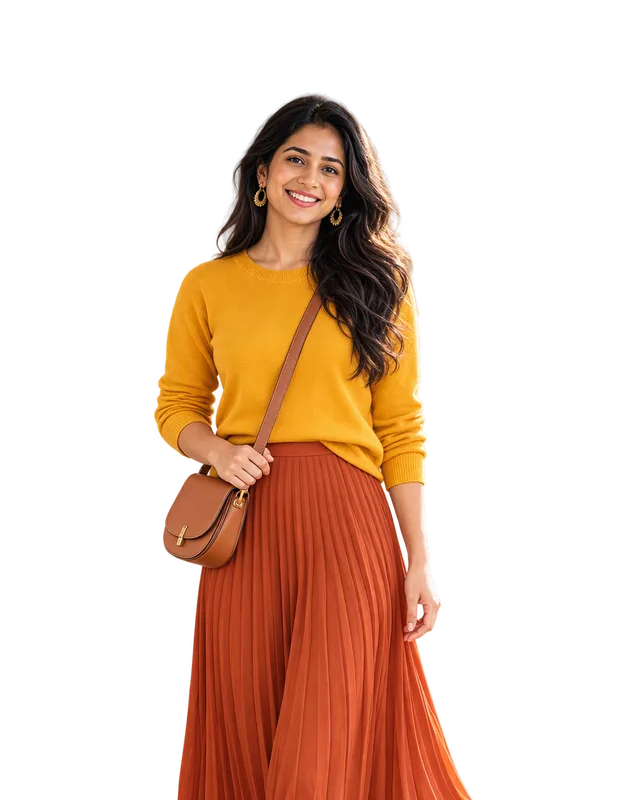
| 77 to 86°F (25 to 30°C) | A T-shirt with a skirt or light pants, or a cotton dress. Sandals or sneakers. | A T-shirt or a polo shirt with light chinos or shorts. Sneakers. |
| 68 to 77°F (20 to 25°C) | A T-shirt or a light blouse with jeans and sneakers. A cardigan for the evening. | A T-shirt or a light shirt with jeans or chinos. A second shirt to wear open over it in the evening. |
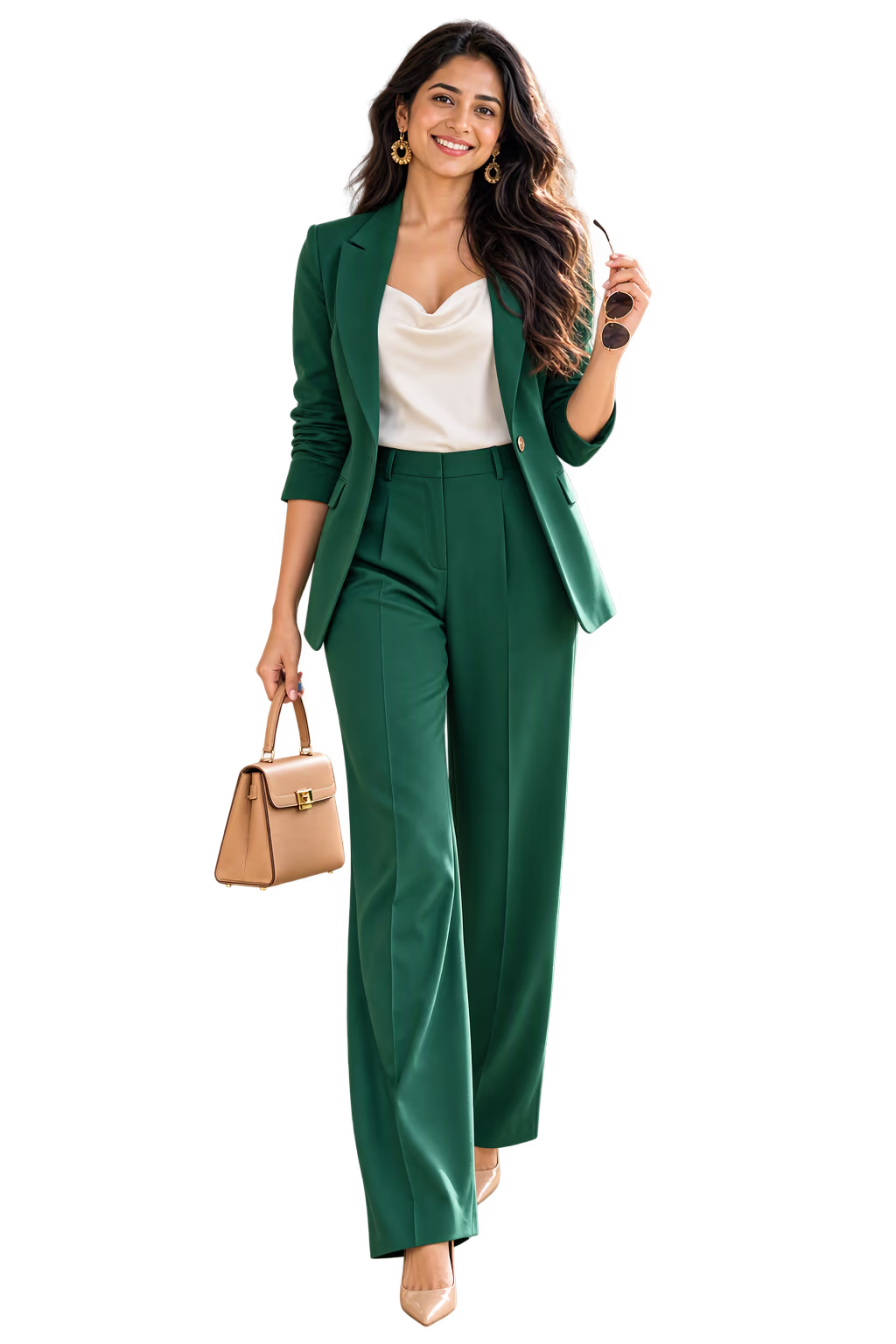
| 59 to 68°F (15 to 20°C) | A long-sleeved top, jeans, and a denim jacket or a blazer. Closed shoes. | A long-sleeved shirt, chinos or jeans, and a denim jacket or a thin sweater. Closed shoes. |
| 50 to 59°F (10 to 15°C) | A sweater with a jacket over it, long pants, a scarf and ankle boots. | A sweater with a jacket over it, jeans, a scarf, and boots or leather sneakers. |
| 41 to 50°F (5 to 10°C) | A coat over a sweater, with pants or a skirt and thick tights. A scarf and boots. | A coat or a warm jacket over a sweater, with heavier pants. A scarf and boots. |
| Below 41°F (5°C) | A winter coat over a sweater, with a hat, gloves and a scarf. Below freezing, add a thermal top and warm boots. | The same. In this cold, warm layers come first for everyone. |
Chinos are cotton pants. A cardigan is a sweater that opens at the front. A thermal top is a thin, warm layer that you wear next to your skin.
On a windy day, or if you will stand still outside, use the row below yours, with its warmer clothes. In full sun, or if you will walk fast, use the row above, with its lighter clothes. Our chart of what to wear at every temperature explains why, and helps when the number sits between two rows. For rain, wind and strong sun, see what to wear for today's weather.

Then dress for the biggest thing in your day
The temperature gives you the layers. Your day decides how neat they should be. Dress for the most important hour, not for the whole day.
- Office day with one big meeting. Dress for the meeting, with a blazer over your row. Take it off for the rest of the day. If you are not sure what your office expects, see office dress codes explained.
- A video call from home. Wear a plain top with a collar or a neat neckline. Small patterns can look strange on camera.
- Rain. Choose your shoes first, a pair that can get wet. Wear dark colors on your legs, where the splashes land.
- A cold morning and a warm afternoon. Wear the afternoon's row next to your skin and the morning's row on top. Then the layers come off one at a time.
- A cold office on a hot day. Dress for the heat outside, and keep a cardigan or a blazer at your desk.
- Dinner right after work. Wear your dinner outfit under a work jacket. Leave the jacket at the office.
Some days have rules of their own. We have a page for each: a job interview, a wedding and a holiday party.
Still stuck? Make the choice smaller
Some mornings everything in the closet could be the answer, and you are choosing while you are still sleepy. A whole outfit is too much to choose at once.
- Pick one piece first. Take the one your day needs, like a blazer for the meeting or boots for the rain. If the day needs nothing special, take the one you most want to wear. It decides the rest.
- Keep the rest plain. Use three colors at most in the whole outfit. Your shoes count as one of the three. Black, white, gray, navy and beige go with almost anything.
- Stop. Change only if something does not fit or is not clean. Trying a second and a third outfit is what makes you late.

What should I wear tomorrow?
Decide tonight. Then the choice is already made when the morning comes.
- Look at tomorrow's forecast for the hours you will be outside, and find its row in the table.
- Think of the biggest thing in the day, and dress for it as in the list above.
- Lay the whole outfit out, with the shoes and the bag. Check that everything is clean and ready to wear.
In the morning you only have to put it on. To do all seven days at once, see how to plan a week of outfits.
Keep two or three go-to outfits
A go-to outfit is one you can wear without thinking. You do not need a new outfit every day. Find a few that work, and repeat them.
- Dark jeans, a plain T-shirt and clean sneakers, with the jacket for today's row.
- Dark pants, a light shirt and a blazer.
- A plain dress with a cardigan or a denim jacket.
Write yours down. On a bad morning, wear one of them. If you want a whole week from nine pieces, try the 3-3-3 rule. And if your mornings belong to your children, see getting dressed fast as a busy parent.
If you are in India
In most of India, the season decides more than the day's number. Start there.
- The hot months. Wear thin, loose cotton in light colors, and cover your head in the sun. See what to wear in the Delhi summer.
- The monsoon. Pick clothes that dry fast and shoes that can get wet. Our guide to the Mumbai monsoon has the fabrics and the shoes.
- Winter in the north. Mornings are cold and afternoons are mild, so wear layers that come off one at a time. Even in November, when the days are still warm, an early morning in Delhi needs a sweater, and a jacket over it by the end of the month. Both come off by noon. See what to wear in Delhi in winter.
- A mild city. In Bangalore, thin cotton by day is enough for most of the year, with one light layer for the mornings from November to February.
A cotton kurta, which is a long tunic, with jeans and flat sandals is a good go-to outfit on a warm day. For a wedding, see what guests wear at an Indian wedding, event by event.
Can an app choose for you?
Yes. Some styling apps pick an outfit for you from the clothes you add. Our guide to styling apps names them and says where the facts come from.
Ukti is our app. You take photos of your clothes, and every morning it gives you one outfit from them, in a picture of you wearing it. It picks the outfit for the weather where you are and tells you why it works. If your plans change, tell Ukti's stylist about your day, out loud or by typing, and you get a new outfit.
The temperature rows follow our chart of what to wear by temperature, which names its sources. The rest of this page is general advice.